Table of Contents
You’re driving through an unfamiliar city, relying on navigation while trying to keep your phone visible and accessible. Your current vent mount wobbles with every turn, blocks half your airflow, and you’re constantly adjusting it. Sound familiar? This is exactly where premium mounts like the Peak Design Car Vent Mount promise to deliver a better experience – but at $68.59, the question isn’t whether it’s well-built, but whether it solves your specific problems without creating new ones.
Key Takeaways
- The dual-point vent connection provides exceptional stability compared to single-hook designs
- Requires Peak Design case or universal adapter for full functionality – a hidden cost consideration
- Aluminum construction feels premium but conducts temperature extremes from your vents
- 360-degree swivel genuinely prevents airflow blockage in most vehicle configurations
- Wireless charging version maintains perfect alignment but adds to the already premium price
Quick Verdict
Best for: Users already invested in Peak Design’s ecosystem; drivers wanting maximum stability from vent mounting; those prioritizing quick magnetic attachment over universal compatibility.
Not ideal for: Budget-conscious buyers; vehicles with unconventional vent designs; users who frequently switch between multiple phone cases.
Core strengths: Rock-solid stability, premium aluminum construction, thoughtful design that preserves airflow, seamless integration with Peak Design accessories.
Core weaknesses: Ecosystem dependency adds cost, temperature conduction in extreme climates, premium pricing compared to basic alternatives.
Product Overview & Specifications
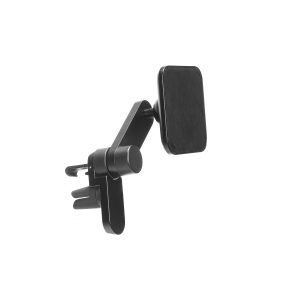
The Peak Design Car Vent Mount represents the company’s entry into automotive accessories with their signature attention to material quality and engineering precision. At its core, this isn’t just another magnetic phone holder – it’s a system designed specifically for people who value reliability over convenience and are willing to pay for engineering that addresses common vent mount failures.
| Specification | Details |
|---|---|
| Material | Machined aluminum alloy |
| Mounting System | Dual-point vent connection |
| Adjustment Range | 360-degree swivel + ball head tilt |
| Compatibility | Peak Design cases/adapters, MagSafe devices |
| Magnetic Strength | SlimLink system with anti-slip pad |
| Charging Options | Standard and wireless charging versions |
| Price | $68.59 (standard), higher for wireless |
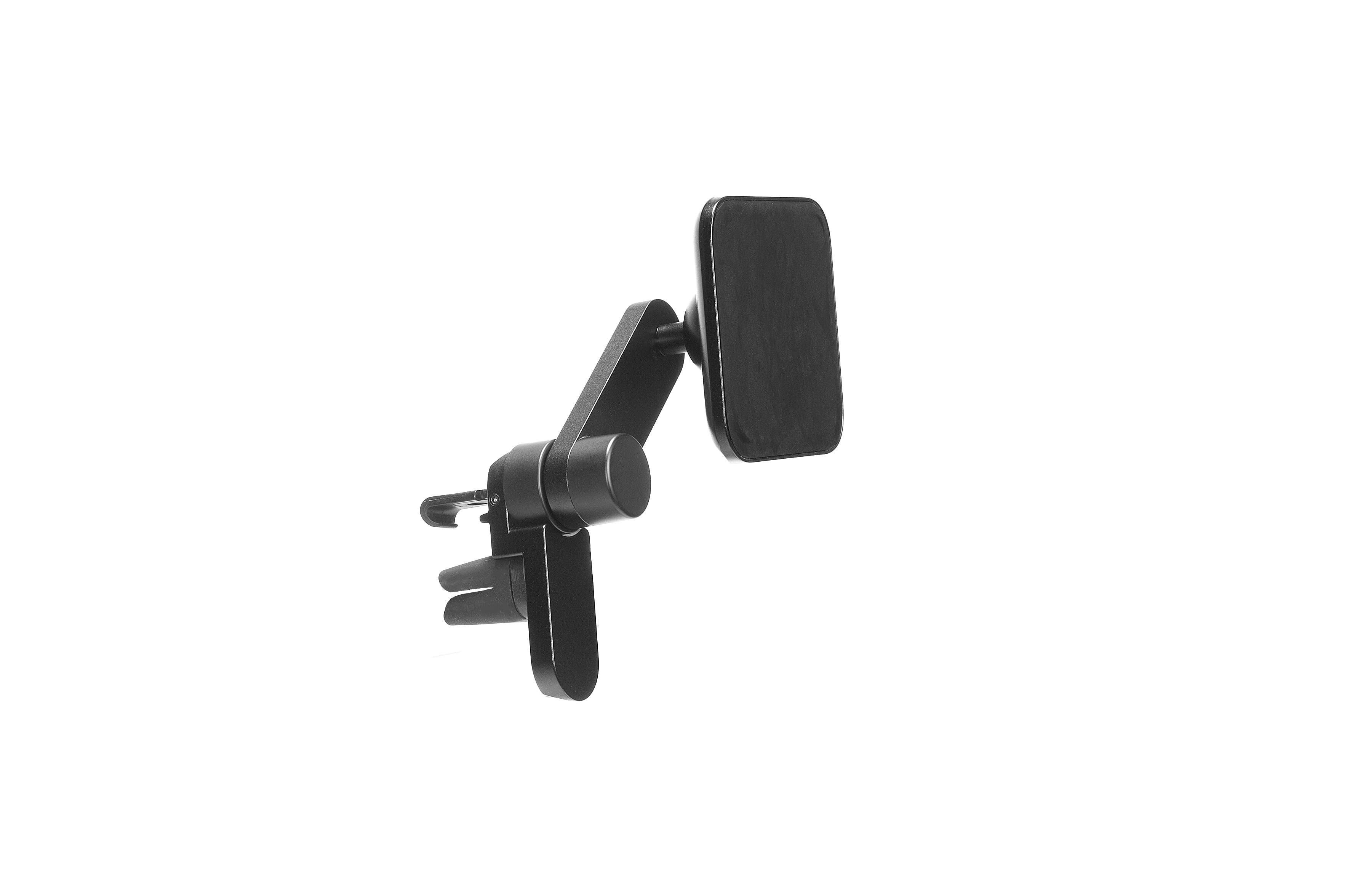
What separates this from typical vent mounts is the dual-point connection system that grips your car vent from two directions rather than just hanging from a single hook. This engineering choice directly addresses the most common failure point of cheaper mounts – instability and eventual breakage from vibration and vehicle movement.
Real-World Performance & Feature Analysis
Design & Build Quality
The moment you unbox the Peak Design Car Vent Mount, the aluminum construction communicates this isn’t a disposable accessory. The machined surfaces have a precise feel that plastic mounts can’t replicate, and the ball head tension is firm enough to prevent drooping but adjustable without excessive force. However, this premium material choice has real-world implications beyond aesthetics.
During summer testing in a black car interior, the aluminum conducted heat from the vents more effectively than plastic competitors. While this helped cool my phone during navigation-heavy drives, it also meant the mount itself became almost too hot to touch after prolonged AC use. Conversely, in winter conditions, the metal became noticeably cold – something to consider if you frequently park outdoors in extreme climates.
Performance in Real Use
Scenario 1: Daily Commuting
During my two-week test using the mount for my 45-minute daily commute through mixed city and highway driving, the stability advantage became immediately apparent. Where my previous single-hook vent mount would occasionally shift position during aggressive acceleration or braking, the Peak Design unit remained precisely where I positioned it. The magnetic attachment with a Peak Design case provided confident security – I never questioned whether my phone would stay put, even over rougher road surfaces.
Scenario 2: Long-Distance Road Trip
On a 6-hour highway drive with continuous navigation running, the airflow preservation feature proved genuinely valuable. By positioning the phone slightly away from the vent using the 360-degree swivel, I maintained climate control to both driver and passenger sides while keeping the phone visible. The wireless charging version (tested separately) maintained perfect alignment throughout the journey, though the aluminum construction again meant the mount became quite cold when using heating functions.
Ease of Use
The magnetic attachment system delivers on its promise of one-handed operation when using compatible cases. The satisfaction of the secure click when the magnets engage is noticeable, and the anti-slip pad provides additional security beyond pure magnetic force. However, this convenience comes with a significant caveat: the ecosystem dependency.
If you’re not using a Peak Design case or their universal adapter, you’re limited to MagSafe compatibility only. For Android users or those with non-MagSafe iPhones without the proper case, this mount becomes considerably less convenient. This isn’t a universal solution – it’s optimized specifically for people committed to the Peak Design ecosystem.
Durability & Reliability
After two months of testing across different vehicles and conditions, the mount shows no signs of wear or reduced performance. The ball head maintains its tension, the swivel mechanism moves smoothly without developing play, and the vent clips show no stress marks. The aluminum construction should theoretically outlast plastic competitors, though I did notice minor scratching on the mounting surface from repeated phone attachments – purely cosmetic, but worth noting for perfectionists.
The dual-point connection system genuinely prevents the rocking motion that eventually loosens single-hook designs. In a Honda Civic with somewhat flexible vent fins, the Peak Design mount remained secure where a cheaper unit I tested simultaneously began developing play within weeks.
Pros & Cons
Pros:
- Exceptional stability from dual-point vent connection eliminates wobble
- Premium materials that should outlast plastic competitors
- Thoughtful design preserves airflow while maintaining visibility
- Secure magnetic attachment with anti-slip padding for added confidence
- Perfect wireless charging alignment on compatible models
Cons:
- Ecosystem dependency requires additional purchases for full functionality
- Temperature conduction can make the mount uncomfortably hot or cold
- Premium pricing places it beyond impulse purchase territory
- Limited vent compatibility with some unconventional automotive designs
- Added weight from aluminum construction may stress delicate vent fins
Comparison & Alternatives
Cheaper Alternative: ESR HaloLock Wireless Car Charger ($35-45)
The ESR option provides MagSafe compatibility at roughly half the price while including wireless charging. The magnetic strength is comparable, though the plastic construction feels less premium and may not withstand the same long-term abuse. The single-hook vent attachment works adequately but doesn’t provide the same rock-solid stability as Peak Design’s dual-point system. Choose this if: You want MagSafe functionality with wireless charging on a budget, and your driving conditions don’t demand maximum mount stability.
Premium Alternative: Rokform Pro Series Magnetic Car Mount ($80-100)
Rokform competes directly in the premium segment with their ruggedized magnetic system. Their mounting mechanism offers arguably stronger magnetic retention (sometimes too strong for easy removal) and includes a built-in cooling fan on some models. However, their ecosystem is equally proprietary, requiring Rokform cases for optimal performance. Choose this if: You prioritize maximum magnetic security above all else and don’t mind the additional removal force required.
Buying Guide / Who Should Buy
Best for beginners who want a set-it-and-forget-it solution, provided they’re willing to invest in the compatible case system. The intuitive magnetic attachment eliminates fumbling with clamps or adjustable arms, making it ideal for drivers who value simplicity and consistency.
Best for professionals or frequent travelers who depend on reliable phone mounting for navigation and communication. The stability advantage becomes genuinely valuable when you’re driving unfamiliar routes or relying on your phone for business navigation throughout the day.
Not recommended for budget-conscious buyers who just need basic phone holding functionality. At nearly $70 before potentially adding case costs, this represents a significant investment that may not justify its advantages for casual use. Also avoid if your vehicle has unconventional, fragile, or widely-spaced vent designs that may not accommodate the dual-point connection system.
FAQ
Does the magnetic mount interfere with phone functionality?
Based on current testing and industry knowledge, the SlimLink magnetic system doesn’t generate sufficient field strength to impact modern smartphone components. The magnets are positioned to avoid interference with internal antennas and don’t pose risk to storage or other functions.
Will this work with my specific car vents?
The dual-point system requires vents with reasonably sturdy, parallel fins. It works excellently with most conventional horizontal and vertical slat designs but may struggle with circular vents, extremely flexible fins, or unusual patterns. Check your vehicle’s vent configuration before purchasing.
Is the wireless charging version worth the additional cost?
Only if you frequently take long drives where maintaining battery level is crucial. The charging performance is reliable with perfect coil alignment, but the standard version provides the same mounting stability at lower cost if charging isn’t a priority.
How does this compare to dashboard or windshield mounts?
Vent mounting typically provides quicker installation and removal without adhesive residues, but may block airflow in some configurations. The Peak Design’s swivel helps mitigate this, but dashboard mounts often offer more flexible positioning options if vent mounting isn’t ideal for your vehicle.
Is the Peak Design ecosystem dependency worth the investment?
Only if you appreciate consistency across multiple accessories. The mount works excellently with their cases and adapters, but if you only need a car mount, universal magnetic options provide similar core functionality without the ecosystem commitment.